
Om Publications
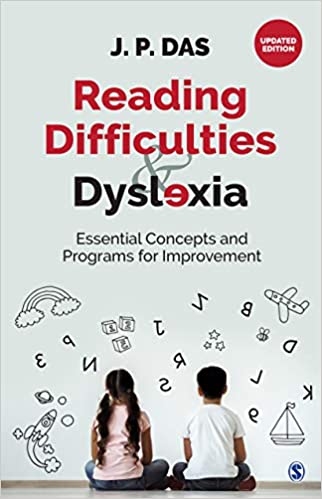
Reading Difficulties and Dyslexia: Essential Concepts and Programs for Improvement (Second Updated Edition)
J P Das
₹745 ₹745 (0% off)
ISBN 13

9789353884628
Binding

Softcover
Language

English
Year

2020
Previously, dyslexia was defined as primarily a deficit at the word reading level. When the original edition of this book was published, the core deficit was thought to be phonological coding. The search for a single factor for dyslexia is no longer pursued. However, we must explore why approximately 15 per cent of school children have difficulties in learning to read or doing math. This updated edition offers an explanation based on contemporary developments in the study of cognition and neuroscience. It also studies the impact of poverty on learning, a relatively new but extremely important area of interest.
Going beyond a simple view of reading and math, Reading Difficulties and Dyslexia discusses distal factors such as cognitive flexibility and attentional control. A distinguishing feature of this book is that it presents intervention programmes, based on the distal factors, which can greatly improve word decoding and comprehension, and enhance number sense.
Contents:Foreword by Prakash Padakannaya Preface to the Updated Edition Preface to the First Edition
PART I Understanding Reading Difficulties
Dyslexia and Learning Difficulties: Introduction Good and Poor Readers From Nursery Rhymes to Phonological Coding What’s New about Phonological Processes Stages of Reading Development Explaining Dyslexia: Recent Advances in Neuroscience Explaining Reading by Intelligence Reading and Comprehension Reading and Comprehension: A Second Look Spelling and Writing
PART II Remediation of Reading and Learning Difficulties
Theory and Practice COGENT Program: Getting Ready to Read A Taste of COGENT: Program Modules COGENT Works: Early Evidence How Does Reading Readiness Work? A Taste of COGENT PREP: A Remediation Program Based on PASS A Taste of PREP in Words and Pictures Case Histories Conceptual Basis for School Readiness and Literacy
PART III: The Next Steps
The Way Forward Integration of Contemporary Views on Reading Children Learning Math Epilogue: New Horizons in Understanding Reading Notes Bibliography